
Know the signs, start the conversation
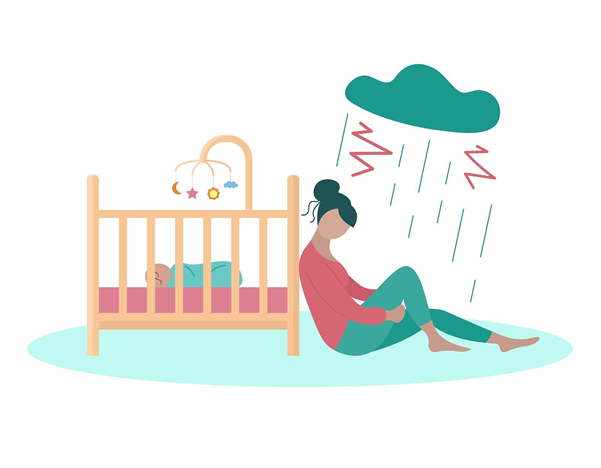
Welcoming a new baby can bring tremendous joy, but it can also bring exhaustion, anxiety, isolation, major life changes and emotional challenges that families may not expect. While some emotional changes are common after childbirth, others may signal that additional support is needed. Postpartum depression is more than simply having a difficult day or feeling overwhelmed as a new parent. According to the CDC, approximately 1 in 8 women with a recent live birth report symptoms of postpartum depression. It is a medical condition that is treatable, and recognizing the signs early can make an important difference.
Baby Blues or Something More?
Many new mothers experience what is commonly called the “baby blues” during the first days following childbirth. This may include mood swings, crying, anxiety, irritability or feeling overwhelmed. These feelings typically improve within a few days to two weeks.
Postpartum depression is different. Symptoms are generally more intense, last longer and may interfere with a person’s ability to function or care for themselves or their baby. Postpartum depression can occur anytime during the first year after childbirth.
Signs and Symptoms to Pay Attention To
Postpartum depression can look different from person to person. Warning signs may include:
- Persistent sadness, hopelessness or frequent crying
- Significant anxiety, worry or panic
- Irritability, anger or feeling unusually overwhelmed
- Loss of interest or pleasure in things previously enjoyed
- Difficulty sleeping even when the baby is sleeping, or sleeping excessively
- Changes in appetite
- Difficulty concentrating or making decisions
- Feeling disconnected from or having difficulty bonding with the baby
- Feeling inadequate, worthless, guilty or like a “bad parent”
- Withdrawing from family and friends
- Doubting one’s ability to care for the baby
- Thoughts of death, suicide, self-harm or harming the baby
One of the most important things families can do is notice changes and talk about them. A partner, family member, friend or coworker may recognize that something has changed before the individual recognizes it themselves.
New Fathers and Partners Need Support, Too
Postpartum mental health should not be viewed only as a mother’s issue. The transition into parenthood can also bring significant emotional stress for fathers and partners.
Sleep deprivation, financial concerns, changing responsibilities, relationship changes and the pressure to support a new family can all affect mental wellbeing. We should be asking both parents a simple question:
“How are you doing—really?”
Seeking help isn’t a sign that someone isn’t a good parent. It is a way of taking care of themselves and their family.
Don’t Wait Until It Becomes a Crisis
If feelings of sadness, anxiety, fear or hopelessness are becoming persistent, worsening or interfering with everyday life, reach out for support. You do not need to wait until symptoms become severe.
If someone experiences thoughts of suicide, harming themselves or their baby, hallucinations, delusions, extreme confusion, paranoia or other significant changes in thinking or behavior, this requires immediate medical attention.
A Quick Screening Can Help Start the Conversation
At many pediatrician visits during the first year after birth, new mothers may be asked to complete a brief questionnaire about how they have been feeling emotionally. One commonly used screening tool is the Edinburgh Postnatal Depression Scale (EPDS). This questionnaire can help identify whether someone may be experiencing typical “baby blues” or symptoms that could suggest postpartum depression or anxiety.
It is important to remember that a screening tool does not diagnose a condition on its own. Instead, it helps open the door to a conversation with a healthcare provider. Answering honestly can help families get support earlier, when it can make the biggest difference.
Click Here to get Edinburgh Postnatal Depression Scale questionnaire. Scoring: * 0-9 Not Likely to Have Depression * 10-30 Likely to Have Depression
GE Appliances Resources Are Here for You
GE Appliances employees and their families have resources available to help support mental and emotional wellbeing. Employee Assistance Program (EAP)
- Employee Assistance Program (EAP)
Employees have access to up to five free EAP counseling sessions, with options for virtual or onsite support. You do not have to be experiencing a crisis to use EAP. Counseling can help with anxiety, depression, parenting challenges, relationship concerns, stress, grief and other life situations. - Live Health Online Psychiatry
For individuals who may need psychiatric care, Live Health Online provides access to psychiatrists through virtual appointments. Psychiatrists can evaluate mental health concerns, develop treatment plans and provide medication management when clinically appropriate. - Your Healthcare Provider/ CareATC
Your OB-GYN, primary care provider or onsite Advanced Primary Care provider can also be an important first point of contact. The American College of Obstetricians and Gynecologists recommends contacting a healthcare professional right away if you believe you may be experiencing postpartum depression rather than waiting for a routine postpartum appointment.
There are additional mental health and wellbeing resources available through GE Appliances and WellWithin. The most important thing is knowing that you don’t have to figure out which resource you need before asking for help. Start the conversation, and we can help connect you to the right support.
Pay Attention. Check In. Speak Up.
Having a new baby changes nearly every part of life. Some difficult days are expected. But when those difficult days begin turning into difficult weeks—or when someone’s behavior or emotional wellbeing simply doesn’t seem like themselves—pay attention. Check on the new mothers and fathers in your life. Ask more than once. Listen to the answer. Sometimes one conversation can be the first step toward getting someone the support they need.



 Latricia Taylor